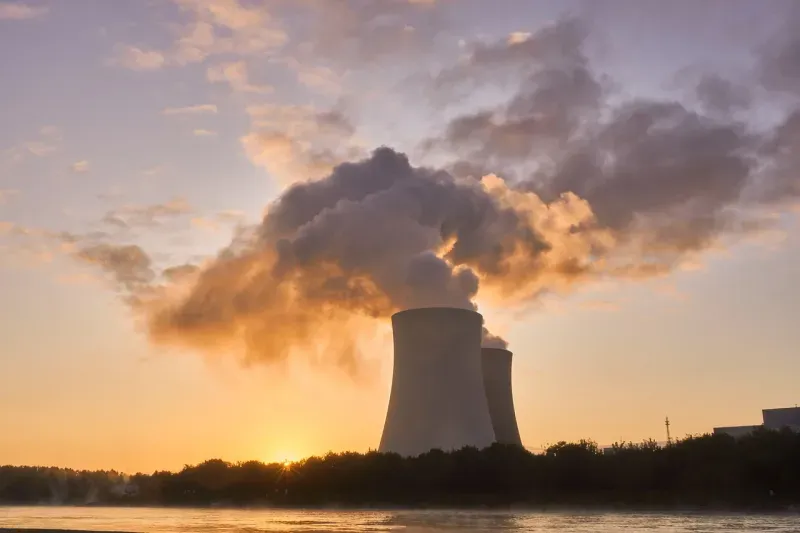
The Nuclear Renaissance: Big Tech and the New Energy Revolution 2024

The Nuclear Renaissance: How Big Tech is Revolutionizing Energy
Nuclear energy is experiencing an unexpected renaissance, but this time with a surprising twist: major tech companies are leading the revolution. At a crucial moment in the fight against climate change and the growing energy demand from artificial intelligence, companies like Microsoft, Google, and Amazon are heavily investing in nuclear energy as a long-term solution.
The Nuclear Awakening: A New Energy Paradigm
In 2024, we are witnessing a turning point in the history of nuclear energy. The Kashiwazaki-Kariwa plant in Japan, the largest in the world with a capacity of 8,000 MW, has reopened its doors after the ban imposed following Fukushima. This event symbolizes a fundamental shift in the global perception of nuclear energy.
AI as a Catalyst for Change
Artificial intelligence is radically transforming the energy landscape:
- A single language model like GPT-3 consumes as much energy as 552 tons of CO2
- Between 3% and 4% of the energy demand in the U.S. comes from generative AI
- This consumption is projected to reach 99% by 2030
Big Tech Takes Control
Microsoft: A Pioneer in the New Nuclear Era
Microsoft has taken the bold first step:
- 20-year agreement with Constellation Energy
- Reopening of Three Mile Island by 2028
- Projected capacity of 835 MW
- TerraPower's investment in Natrium reactors
Google and Amazon Follow Suit
Google:
- Agreement with Kairos Power
- 7 planned SMR reactors
- First operational reactor by 2030
- Initial capacity of 500 MW
Amazon:
- $500 million investment in SMR projects
- Collaboration with Dominion Energy
- Potential total capacity of 960 MW
- Development in multiple states
The SMR Revolution: The Future of Nuclear Energy
Small Modular Reactors (SMR) are redefining nuclear energy:
Key Advantages of SMRs:
Scalability and Flexibility
- Prefabricated modular design
- Phased installation
- Adaptability to different needs
Economic Efficiency
- Lower initial investment
- Faster construction
- Reduced operating costs
Enhanced Safety
- Inherently safer design
- Low-enriched fuel
- Greater resilience to natural disasters
"SMRs represent the next generation of nuclear energy: safer, more efficient, and more adaptable to current needs"
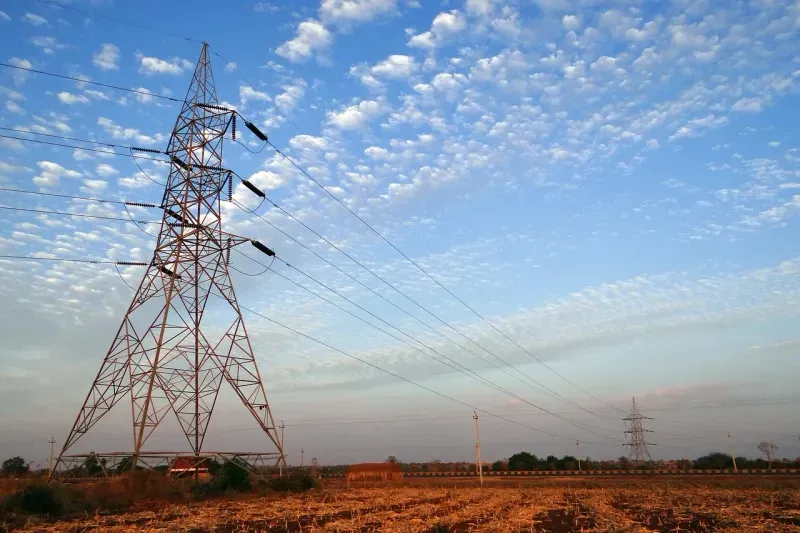
Comparison: Nuclear vs Renewables
To generate 1,000 MW of energy, the following is required:
Type of Energy and Land Required (Hectares)
- Nuclear (259 hectares)
- Wind (9,329 hectares)
- Solar (19,424 hectares)
Why Nuclear and Not Renewables?
Constant Availability
- Energy 24/7 without depending on weather
- Higher energy density
- Smaller land footprint
Zero Emissions
- No CO2 emissions during operation
- Contribution to climate goals
- Large-scale clean energy
Challenges and Future Considerations
Despite the optimism, significant challenges remain:
Regulation and Approvals
- Extensive bureaucratic processes
- NRC reviews
- Compliance with regulations
Waste Management
- Long-term storage
- Safe treatment
- Associated costs
Conclusion: The Future is Nuclear
The nuclear renaissance, driven by the energy needs of AI and led by major tech companies, is redefining the global energy landscape. SMRs emerge as a promising solution that combines safety, efficiency, and sustainability.
To stay informed about this energy revolution:
- Follow developments in SMR projects
- Monitor investments from Big Tech
- Observe advancements in nuclear regulation
- Evaluate the impact on AI development