
The Future of Video Games: The Revolution of Artificial Intelligence

The Future of Video Games Thanks to Artificial Intelligence
Artificial Intelligence (AI) has radically changed the way we experience video games. From the early days of Pacman and Half-Life to modern games, AI has evolved to offer more realistic challenges and completely new experiences. In this blog, we will explore how AI has transformed video games and how it is shaping their future.
Evolution of AI in Video Games
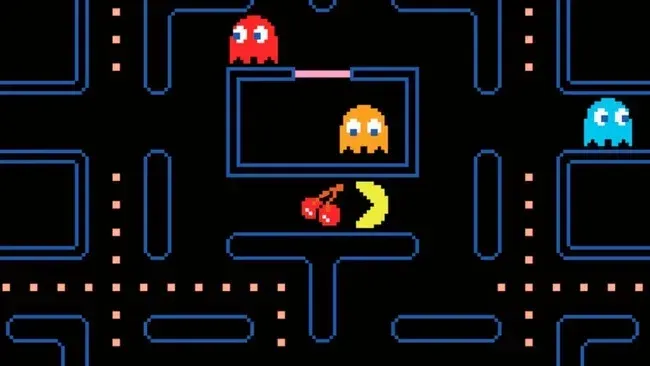 Image: The iconic game Pacman
Let’s start with Pacman, the classic arcade game from the 1980s. Although the AI in Pacman was relatively simple, it had different behaviors for the ghosts, making it an entertaining and addictive challenge.
In 1998, Half-Life introduced a more complex AI that simulated intelligence in NPCs (non-playable characters). This opened the door to more immersive and challenging gameplay, where enemies responded intelligently to the player's actions.
Current Limitations of AI in Video Games
 Image: A player frustrated by the difficulty of a game
However, AI in video games also has its limitations. In some cases, it can become too powerful and frustrating for players. To counter this, some developers implement "cheats" or weaknesses in the AI to make it easier to defeat. Additionally, AI is still not general, meaning it cannot automatically transfer its skills from one game to another.
The Promising Future of AI in Video Games
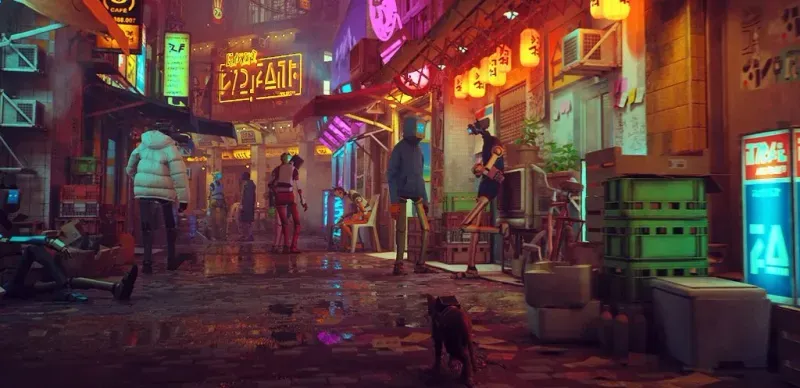 Image: A futuristic game world
The potential of AI in video games is astounding. In the near future, AI could allow us to create completely new worlds and experiences. Moreover, the automation of creative tasks such as level design and character creation would open the door to endless creative possibilities. Imagine a video game where AI can understand, predict, and act in real-time in a surprising way tailored to each player.
Examples of Advanced AI in Video Games
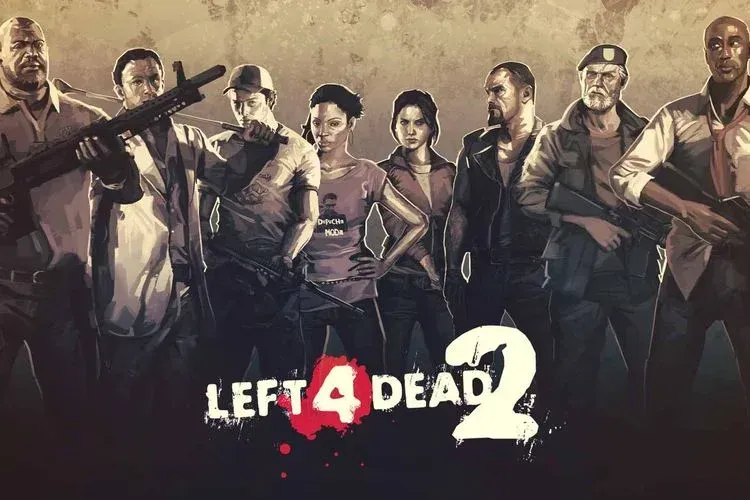 Image: The Director in the game Left 4 Dead
There are notable examples of advanced AI in video games. One example is "The Director" in the game Left 4 Dead, which generates dynamic and personalized encounters tailored to the players' actions. This creates an exciting and unique gaming experience every time you play.
There is also generative AI, which can create 3D worlds and objects from descriptions. Imagine being able to describe a landscape and see it come to life instantly in a video game.
Additionally, technologies like NVIDIA's Deep Learning Supersampling (DLSS) have improved image quality without sacrificing performance. This allows players to enjoy stunning and detailed graphics.
The Ethical Role of AI in Video Games
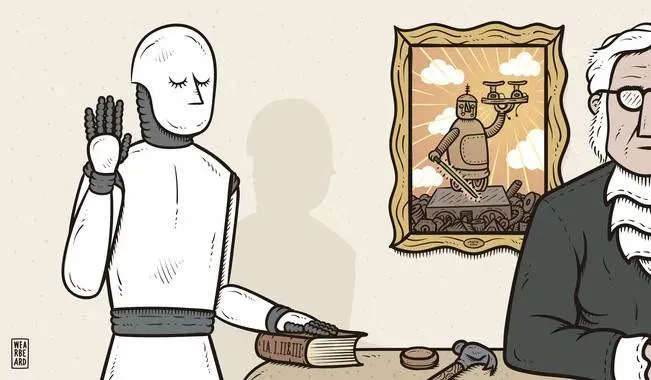 Image: Illustration on the ethics of AI in video games
As AI becomes more ubiquitous in video games, it is important to consider the ethical impact this may have. How far should AI be used to create video games? Is it possible for AI to surpass human creativity in video game design?
These are important questions that developers and the video game industry must address as we move towards the future.
Conclusion
AI has revolutionized the video game industry and will continue to do so in the future. Its potential to create more immersive, challenging, and creative experiences is limitless. AI will not only enhance gameplay but could also help optimize game performance and make them more accessible to a wider audience.
However, it is essential that we use AI as a tool to assist developers rather than replace their creativity. The future of video games is exciting and unpredictable, and AI will be present at every step of the way. Get ready for a world of video games powered by artificial intelligence!